
How Rock Crushing Equipment Improves Safety by Reducing Manual Material Handling
Home Blog
How Rock Crushing Equipment Improves Safety by Reducing Manual Material Handling
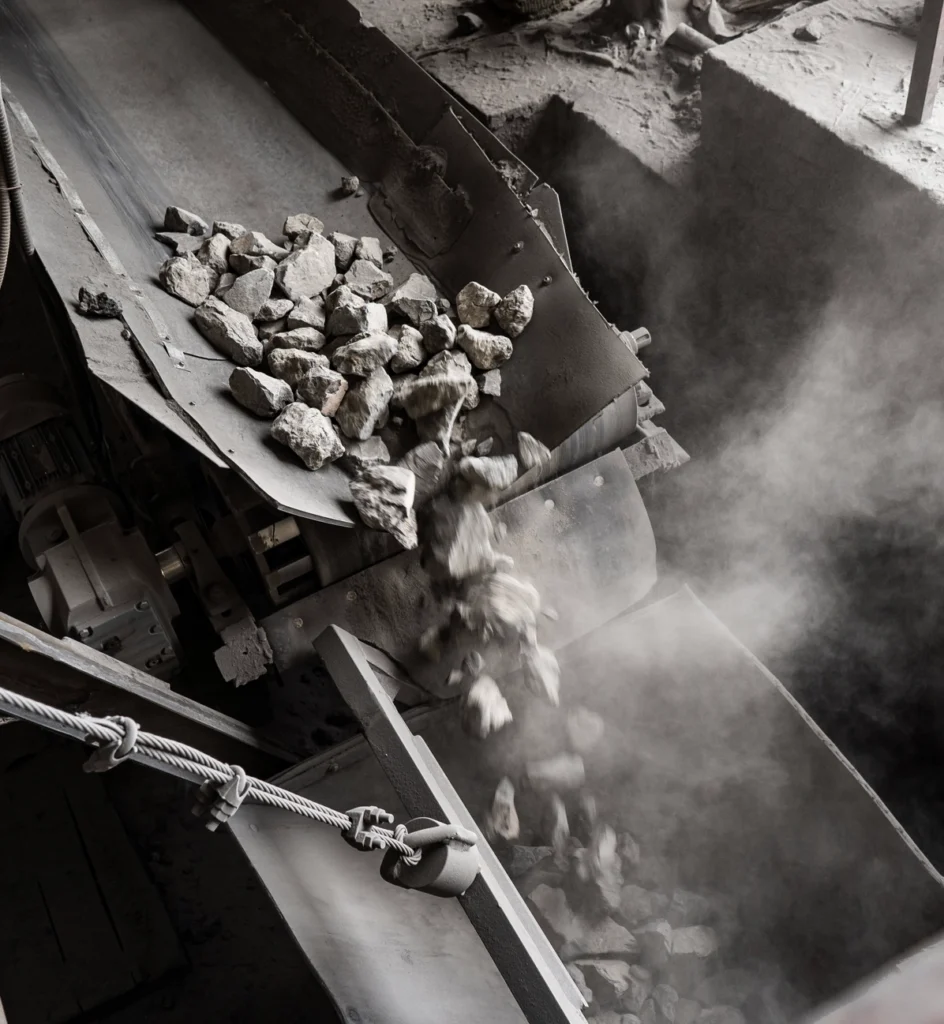
How Rock Crushing Equipment Improves Safety by Reducing Manual Material Handling
- January 13, 2026
Manual material handling remains one of construction’s most persistent safety challenges. The U.S. Bureau of Labor Statistics reports that musculoskeletal disorders represent 30% of all workplace injuries requiring time off, with construction workers bearing a disproportionate burden. Over 20% of construction injuries stem from overexertion and repetitive motion according to CPWR research. Behind these numbers are real people—experienced workers sidelined by preventable back injuries, young laborers developing chronic pain, and families dealing with lost income. Today’s construction site safety equipment offers a solution, with rock crushing safety features at the forefront of this transformation.
Understanding the True Burden of Manual Handling in Aggregate Operations
Before exploring how automated crushing equipment safety protects workers, contractors need to understand what’s at stake with conventional processing methods.
Traditional Processing: Multiple Injury Exposures
Conventional aggregate handling creates danger at every stage. Workers manually guide excavators loading trucks with broken concrete and demolition debris. Drivers navigate highways hauling material to distant processing yards. At the facility, ground crew members climb onto trucks directing unloading operations—one slip means a serious fall. After processing, the cycle repeats: loading processed material, trucking it back, and manually spreading it at your site.
Every transition point introduces risk. Workers strain lifting awkward pieces. They slip on unstable footing around equipment. Moving machinery creates struck-by hazards. The repetitive nature of loading, unloading, and repositioning material leads to cumulative trauma that develops gradually until workers can barely function.
Calculating Your Real Exposure
The construction industry faces $11.5 billion in annual injury costs. The National Institute for Occupational Safety and Health estimates work-related musculoskeletal disorders cost the broader economy between $13 billion and $54 billion yearly. Each MSD case carries direct costs ranging from $15,000 to $85,000—but indirect expenses often double or triple that figure through:
- Production delays while experienced workers recover
- Increased insurance premiums affecting your entire operation
- Overtime expenses covering shorthanded crews
- Reduced crew morale as workers see colleagues injured
- Regulatory scrutiny and potential citations
CDC research reveals that overexertion from lifting and lowering causes 30% of construction-related musculoskeletal disorders. Pushing, pulling, holding, carrying, and catching materials accounts for another 37%. The Bureau of Labor Statistics documented 502,380 MSD cases requiring at least one day away from work over just two years. The median absence? Fourteen days per case—two full weeks of lost productivity for every incident.
Mobile Crushing: Fundamentally Safer Material Flow
Modern jobsite injury prevention equipment doesn’t just improve existing processes—it eliminates hazardous activities entirely. Mobile crushers like the Rebel Crusher transform material handling from a labor-intensive risk into an automated operation.
Processing Where Material Sits
The revolutionary safety improvement comes from eliminating off-site transport. Processing concrete, asphalt, or rock on-site removes the entire dangerous cycle of truck loading, highway transport, facility unloading, reprocessing, and return delivery.
Consider a typical parking lot demolition using conventional methods. Your crew breaks up concrete. Workers position themselves dangerously close to swinging excavator buckets while loading trucks. Drivers spend hours on highways where traffic accidents remain a leading cause of construction fatalities. At the crushing facility, workers climb on trucks to guide material discharge. After processing, they reload trucks. Drivers return to your site. Your crew manually handles material again during placement.
That represents at least four major manual handling cycles, with multiple workers exposed to injury risk at each stage.
Material handling automation construction changes everything. An excavator operator feeds material directly from the loader cab. The integrated crushing system processes everything automatically. Conveyor systems sort and stockpile finished products without anyone touching a shovelful. Workers remain protected in enclosed cabs, controlling equipment remotely from safe distances.
Engineering Controls That Protect Workers
The Rebel Crusher demonstrates how material handling automation construction incorporates worker protection into fundamental design:
- Remote Operation Capability: Complete crusher control from the loader cab or safe standoff distance eliminates workers walking around operating equipment, climbing machinery to adjust settings, or positioning themselves near moving components. This feature alone prevents countless struck-by incidents that occur when workers approach running equipment.
- Accessible Feed Design: The feeder’s sloped configuration allows even compact loaders to feed material safely. Operators maintain clear sightlines without building temporary ramps or using oversized equipment that introduces tip-over hazards. This reduces both equipment investment and operational risk.
- Automated Metal Removal: Permanent magnets automatically extract rebar and wire from crushed material, depositing it in a separate stockpile. Compare this to traditional operations where workers manually pull rebar from material—a task causing countless hand lacerations, crushed fingers, and back strains from awkward bending and twisting.
- Integrated Processing System: Four onboard conveyors automatically sort and stockpile material by size. Traditional operations require workers to shovel material through screens, manually rake oversized pieces, or constantly reposition equipment. The automated system processes up to 140 tons hourly while workers remain in protected positions.
- Single-Operator Efficiency: Conventional crushing requires multiple workers coordinating movements around dangerous machinery. A single operator running a loader and controlling the crusher remotely eliminates coordination failures that lead to accidents. Fewer workers near operating equipment means dramatically reduced exposure.

Advanced Safety Features in Modern Crushing Equipment
Beyond eliminating manual handling, automated crushing equipment safety addresses additional construction hazards:
- Ground-Level Maintenance Access: Traditional stationary crushers require workers to climb ladders and navigate elevated catwalks for maintenance. Mobile crushers position maintenance points at ground level. The Rebel Crusher’s modular construction allows technicians to access components safely from solid footing.
- Reduced Fall Exposure: Lower conveyor designs serve dual purposes—reducing dust generation while minimizing fall hazards. Workers don’t climb high conveyors to clear jams or perform inspections. Everything remains within safe reach from ground level.
- Respiratory Protection: Built-in dust suppression systems protect workers from respirable crystalline silica—a serious long-term health hazard in aggregate operations. The fine mist system maintains visibility around equipment, preventing accidents caused by dust-obscured hazards while protecting respiratory health.
- Hearing Conservation: Modern crushers operate significantly quieter than legacy equipment. Reduced noise levels protect hearing while improving overall site awareness. Workers can hear warnings, communicate clearly, and remain alert to their surroundings.
Comparing Safety Outcomes: A Practical Scenario
Examining two approaches to processing 200 tons of demolition concrete illustrates the safety difference:
Conventional Off-Site Processing:
- 6:30 AM: Three workers begin loading trucks, working around moving equipment
- 7:30 AM: Two drivers start hauling material (highway accident exposure)
- 9:00 AM: Processing facility workers climb on trucks directing unloading
- Throughout morning: Facility crew manually adjusts screens and handles material
- 2:00 PM: Drivers return with processed material (highway exposure again)
- 3:00 PM: Three workers manually spread and grade material
Result: Eight workers exposed to injury risk across nine hours, with multiple manual handling cycles and highway travel.
On-Site Mobile Processing:
- 7:00 AM: Single loader operator begins feeding crusher via remote control
- Throughout day: Operator remains in climate-controlled cab, monitoring remotely
- Material automatically processes, sorts, and stockpiles
- 2:00 PM: Processing complete, material ready for placement
- 3:00 PM: Same operator spreads material with loader
Result: One worker, minimal manual handling exposure, zero highway miles, completed in seven hours.
The efficiency difference is obvious. The safety improvement is transformational.
Financial Returns from Jobsite Injury Prevention Equipment
Rock crushing safety features deliver measurable returns beyond preventing human suffering:
Measurable Cost Reductions:
- Lower workers’ compensation claims and premium rates
- Reduced lost-time expenses (avoiding median 14-day absences per MSD)
- Decreased legal costs and settlement exposure
- Fewer OSHA inspections and citations
Operational Advantages:
- Faster project completion with efficient one-operator system
- Ability to work confined urban sites with minimal crew
- Reduced total labor costs across material processing
- Improved recruitment and retention through safer operations
Research demonstrates companies save $4 to $6 for every dollar invested in safety improvements. When those improvements simultaneously boost productivity and reduce equipment requirements, return on investment accelerates dramatically.
Frequently Asked Questions (FAQs)
Invest in Construction Site Safety Equipment That Protects Your Crew
Manual handling injuries are preventable with equipment available today. Mobile crushing technology fundamentally changes how safely material moves through construction operations—it’s not just an efficiency improvement but a complete reimagining of worker protection.
R.R. Equipment brings over 50 years of experience helping contractors improve safety and profitability simultaneously. The Rebel Crusher was engineered with operator safety as a core design principle, incorporating features that protect workers while maximizing productivity and material quality.
Contact us at (803) 416-5200 to discuss how material handling automation construction can reduce injury exposure in your operations. We’ll help you calculate both safety improvements and financial benefits from eliminating manual handling in your material processing workflow.